




house extension|commercial builder|property maintenance|electrical repair|commercial renovationoffice fit out|shop refurbishment
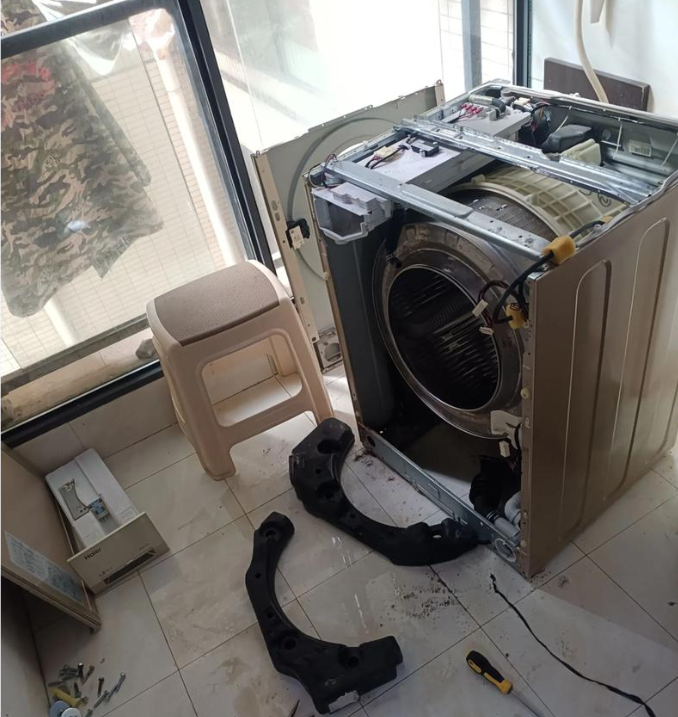
The following measures can be taken to deal with the leakage of the drainage valve: 1. First, check the easily visible problems Check for foreign object blockage: Blocking coins, buttons, and other foreign objects in the drain valve can cause water leakage. After turning off the power, unscrew the drain valve cover and clean the internal debris with tweezers.
2. Check the drainage valve body: If there are cracks or deformations in the valve body (especially in winter when rubber hardening is prone to occur), a new valve needs to be replaced. Accessories can be purchased online through the washing machine body material model or by contacting the official after-sales service. 2. When disassembling the manual repair steps, first use a screwdriver to unscrew the back cover of the washing machine, rotate the connection buckle between the drain valve and the pipeline counterclockwise, and remove the old valve body. When installing a new valve, ensure that the rubber sealing ring is fully fitted, and manually test whether the drainage rope is smooth after installation. 3. Special scenario supplement: If the washing machine has been used for more than 5 years, the drainage pipe interface should be checked for aging and cracking simultaneously. Temporary leak prevention can be achieved by wrapping waterproof tape around the leaking area, but it needs to be thoroughly repaired within 48 hours to prevent water from seeping into the circuit board and causing a short circuit. During regular maintenance, clean the filter screen once a month to prevent residual detergent from corroding the valve body. Emptying pockets before washing clothes can reduce the probability of valve blockage by over 85%. When replacing the valve body, priority should be given to original parts, as dimensional errors in secondary parts may cause secondary water leakage.
Share this post: